
Overcoming Elbow Pain: A Golfer's Guide to Recovery

Elbow pain is one of the most common injuries I see in golfers. It affects both beginners and low-handicap players alike. If you’ve ever felt pain during or after a round, chances are you’ve been told you have golfer’s elbow or tennis elbow. But here’s the truth most golfers don’t hear: elbow pain is rarely just an elbow problem.
Understanding why elbow pain happens is the first step to fixing it—and keeping it from coming back!
Understanding Golfer’s Elbow vs. Tennis Elbow
Traditionally, golfer’s elbow refers to pain on the inside of the elbow. The medical term is medial epicondylitis, which involves strain or irritation of the forearm flexor tendons where they attach at the elbow.
However, many golfers also develop pain on the outside of the elbow. This is called lateral epicondylitis, or tennis elbow, and it involves the extensor tendons of the forearm.
Despite the names, both conditions are extremely common in golfers and are typically classified as overuse injuries.
Why Golfers Develop Elbow Pain
From a clinical perspective, elbow pain usually develops when the forearm muscles are forced to compensate—again and again—for something else not doing its job. In golfers, elbow pain is often associated with swing characteristics such as:
Coming over the top
Chicken winging
Casting or scooping the club

These patterns place excessive and awkward loads on the forearm muscles and tendons, especially with frequent practice, range sessions, or long rounds.
The Real Root Cause Most Golfers Miss
Those swing faults don’t usually appear out of nowhere. More often, they’re a compensation for lower body or core limitations, such as:
Restricted hip mobility
Poor pelvic or trunk control
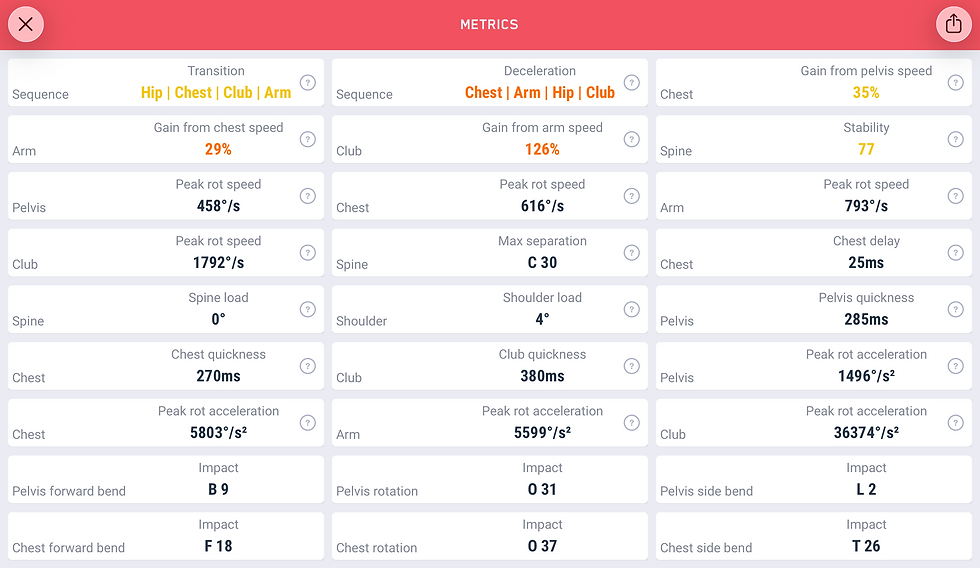
Inefficient sequencing between the lower and upper body
When the lower body can’t generate or transfer force effectively, the arms and hands are forced to “manufacture” speed and control. Over time, that repeated stress shows up as elbow pain. This is why simply resting, icing, or wearing a brace often fails to solve the problem long-term.
What Actually Works for Golfer’s Elbow
If your goal is to keep playing—not just get temporary relief—you need a plan that addresses both the injured tissue and the reason it was overloaded in the first place.
1. A Proper Golf-Specific Assessment
The most important step is understanding:
Whether your elbow pain is driven by swing mechanics
Where mobility or stability is breaking down
Whether the elbow is the source of pain—or just the victim
A golf-specific movement assessment helps connect your body mechanics to what’s happening in your swing.
2. Chiropractic & Soft-Tissue Treatment
Effective care often includes:
Targeted soft-tissue treatments for irritated forearm muscles
Joint treatments to improve motion and load distribution
Reducing stress on the elbow while tissues heal
This helps calm pain and restore function—but it’s only part of the solution.
3. Targeted Strengthening as the Tendons Heal
Tendons need progressive, specific loading to recover properly. Strengthening the right muscles at the right time:
Improves tissue resilience
Reduces the risk of recurrence
Helps you return to full play with confidence
4. Never Skip the Warm-Up or Cool-Down
This is one of the biggest mistakes golfers make. A proper warm-up prepares your tissues to handle load, while a cool-down helps reduce post-round stiffness and irritation. Skipping either significantly increases your risk of elbow pain returning—even if you’re already feeling better.
The Bottom Line
Golfer’s elbow and tennis elbow aren’t just “wear and tear” injuries you have to live with. They’re often the result of:
Inefficient movement patterns
Poor sequencing
Muscles and tendons being asked to do more than they’re designed for
Fixing the elbow without fixing the cause is why so many golfers struggle with recurring pain.
Ready to Fix the Root Cause of Your Elbow Pain?
At The Movement Clinic, we offer golf-specific movement and swing assessments designed to determine whether your pain is coming from:
Physical limitations
Swing mechanics
Or a combination of both
From there, we create a personalized plan to help you:
Reduce pain
Improve efficiency
Stay on the course longer
👉 Schedule your golf assessment today and stop letting elbow pain limit your game!
Additional Tips for Managing Elbow Pain
Stay Hydrated
Drinking enough water is crucial for muscle function. Dehydration can lead to cramps and increased pain. Make sure you’re drinking enough before, during, and after your rounds!
Focus on Nutrition
Eating a balanced diet rich in anti-inflammatory foods can help reduce pain. Foods like fatty fish, nuts, and leafy greens can support recovery and overall joint health.
Incorporate Flexibility Exercises
Incorporating flexibility exercises into your routine can help maintain mobility in your elbows and shoulders. Stretching can also improve your swing mechanics!
Consider Cross-Training
Engaging in other forms of exercise can help balance muscle development. Activities like swimming or yoga can improve your overall strength and flexibility, benefiting your golf game.
Listen to Your Body
Pay attention to what your body is telling you. If you feel pain, don’t push through it. Take a break and assess what might be causing the discomfort.
Seek Professional Help
If elbow pain persists, don’t hesitate to seek professional help. A qualified chiropractor or physical therapist can provide tailored advice and treatment options to help you recover effectively.
By addressing the root causes of your elbow pain, you can enjoy your time on the course without limitations. Let’s get you back to doing what you love!


Comments